
1. A growing RevPAR, but more selective
After the spectacular rebounds of 2022-2023, the growth of the Revenue Per Available Room (RevPAR) normalized. In Europe, growth in the range of 3 to 5 % is expected in 2026, far from double post-Covid figures. This moderation is not an alarm signal but a confirmation of maturity: the strongest markets, such as Paris, Barcelona, the French Riviera or the Alps, resist better than the secondary destinations that had benefited from catch-up effects.
Segmentation becomes decisive. Luxury and the high-end continue to outperform with an international customer base with significant means and low inflation. The mid-range is more subject to tariff pressure, particularly in saturated urban markets. Assets that have not clearly chosen their positioning suffer first.
2. Regional disparities are growing
France perfectly illustrates this polarization. Paris and the Riviera capture most of the international high-end demand. Wine regions, such as Bordeaux, Burgundy or Champagne, enjoy a cultural and gastronomic tourism structure. On the other hand, some medium-sized cities are struggling to attract high-value customer profiles, and their occupancy rates are capping.
At European level, Mediterranean destinations consolidate their summer attractiveness but remain exposed to seasonality. The Nordic market shows remarkable stability. Central Europe is emerging as an exploration ground for investors seeking higher returns, accepting a different risk profile.
3. AI and data, from experimental to operational
In 2026, artificial intelligence is no longer a marketing argument in hotel brochures: it is a daily management tool for the most advanced operators. Dynamic revenue management, 90-day demand forecasting, behavioral segmentation, predictive equipment maintenance: use cases are increasing and productivity gains are measurable.
Attention, however, to the technological challenge. Tools are only valuable if they are integrated into controlled processes and if teams are able to interpret their recommendations. AI amplifies the right decisions but also amplifies the basic strategy errors. Data governance, quality of historical data and team formation remain non-negotiable prerequisites.
4. Energy transition, constraint and opportunity
European regulation and institutional investors' expectations turn decarbonisation into an operational priority. Establishments' DPE, energy consumption per m2 and carbon balance are now included in asset valuation criteria. An energy-poor hotel is affected by its resale value and its operating costs increase performance.
In parallel, investments in energy efficiency (insulation, intelligent HVAC system, solar production, heat recovery) generate tangible operational savings over 5 to 7 years. The energy transition is therefore not just an expenditure item: it is a medium-term competitive lever.
5. Hyper-personalization as a service standard
The premium customers of 2026 no longer accept standardized interactions. It expects recognition, continuity of the relationship and real-time adaptation of the offer to its preferences. Hotel CRM, enriched customer profiles, stored room preferences, proposal of relevant ancillary services: customization becomes a criterion of loyalty as important as bed quality.
This evolution reshaped the occupations of reception and concierge. Repeating tasks are automated, freeing up time for high value-added interactions. The human remains central, but repositioned on the advice, emotion and resolution of complex situations.
6. New customer expectations and destination experience
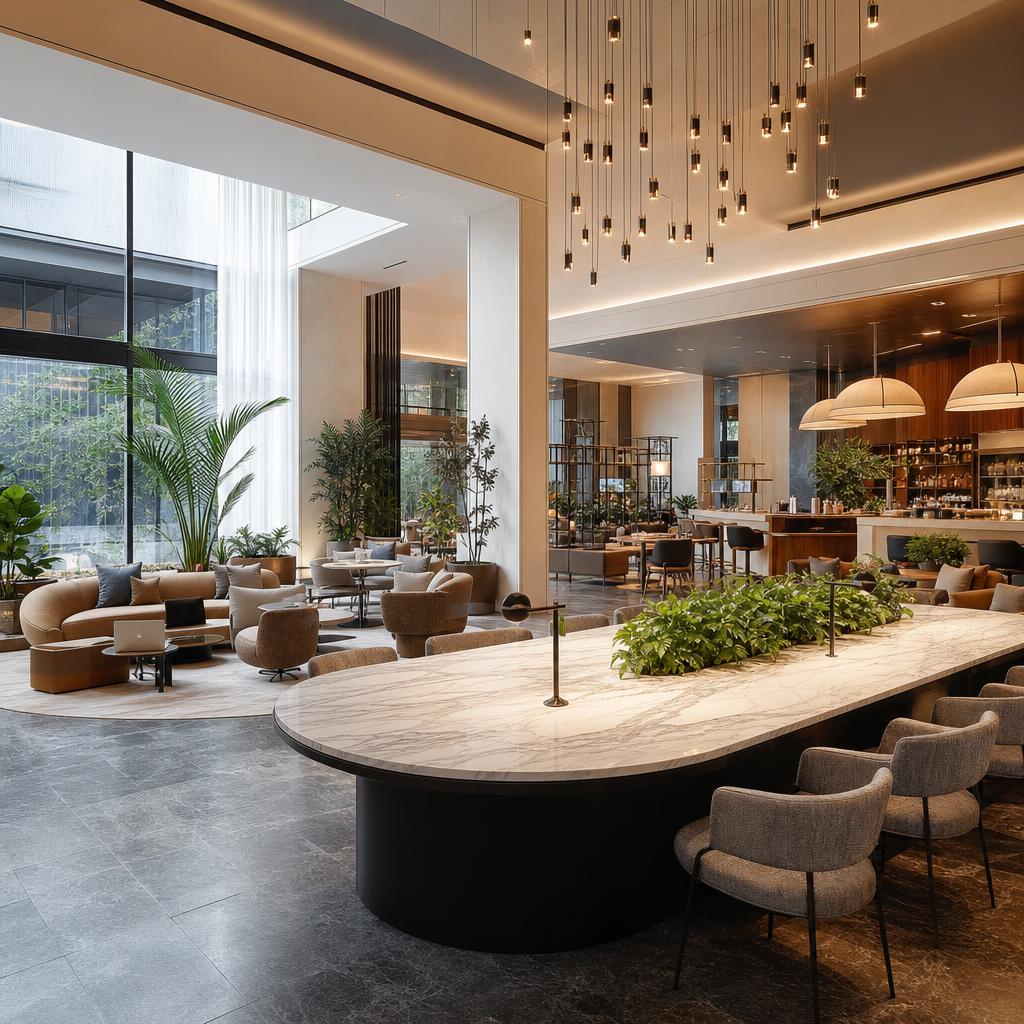
The hotel is no longer a crossing point: it is a destination in itself for a growing proportion of travellers. Connecting to the territory, restoring identity, local art, immersive experiences, architectural wellness spaces: assets that create a reason for stay beyond simple accommodation receive a significant bonus of value.
The customers of business (business + leisure), digital nomads and slow travel reorganise the demand for longer stays and more demanding expectations in terms of work space, connection and residential comfort.
Decision grid before acquisition or repositioning
In the face of these six forces, the key questions to ask before any investment or renovation decisions are: Is the asset positioned on a market with solid structural demand or with temporary effects? Do DPE and energy performance achieve regulatory standards within 5 years without excessive capex? Is the concept identity enough to justify a premium rate in its category? Are management teams and tools able to leverage customer data to improve customization? Does the cost structure allow energy investments to be absorbed without compromising EBITDA?
Our perspective
2026 is not a year of breakdown but arbitration. Markets reward assets that have made clear positioning choices, invest in their operational efficiency and are anchored in a memorable experience. The soft growth of the global RevPAR hides very contrasting performances: it is in these contrasts that opportunities are found.