Quiet luxury: excellence without ostentation
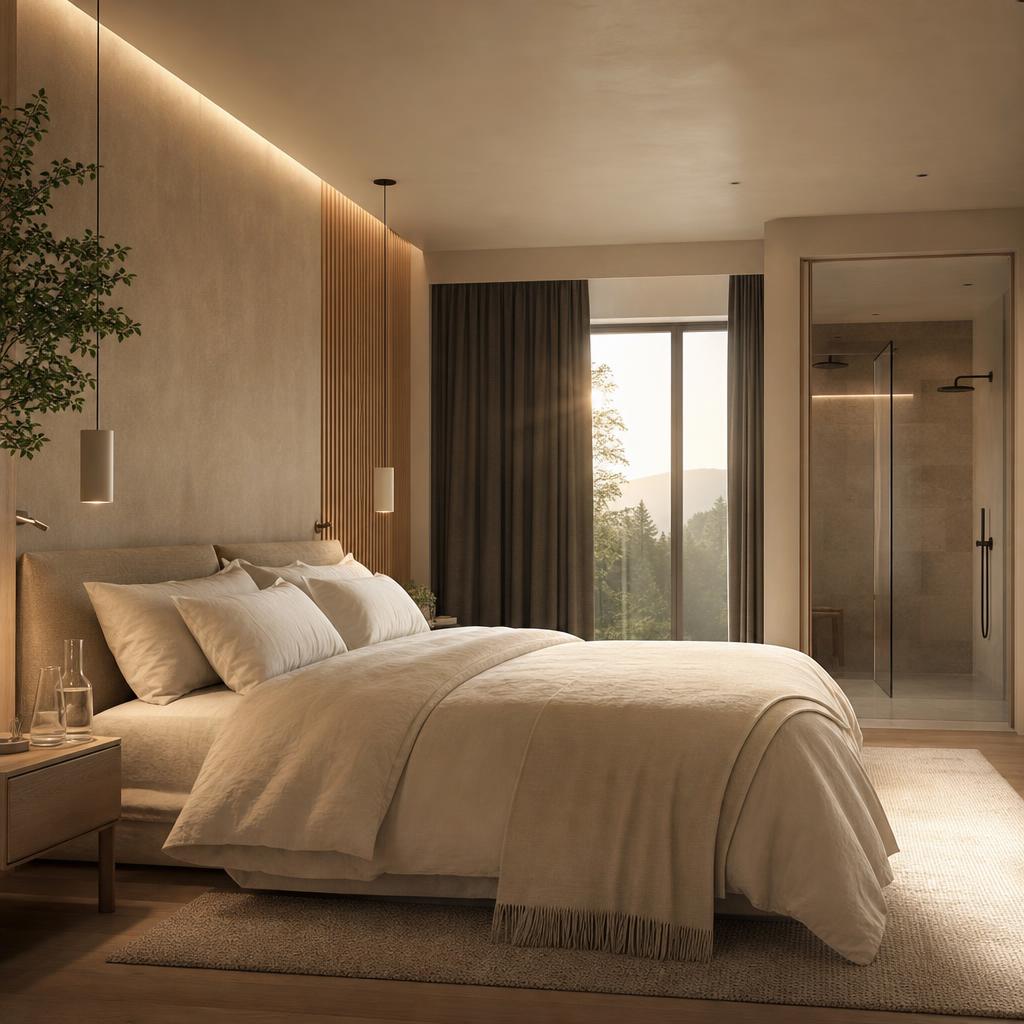
Quiet luxury is the aesthetic of sophisticated restraint. No visible logo, no demonstration effect, no superfluous. Instead: materials of extreme quality, perfect proportions, impeccable execution. The room breathes, the furniture is clean but never cold, the materials are soft and deep: cashmere, matte silk, satin walnut wood, natural leather.
Visual codes: neutral and earthy palette (cream, sand, warm grey, linen), lack of non-functional decorative elements, natural light highlighted, maximum quality on each surface. Target customers: ultra-premium travellers who know luxury and no longer seek to display it.
Forces and risks of quiet luxury
The main asset of this direction is its durability: a well-executed quiet interior is not aging. It is not linked to a cyclical trend. Its strength is precisely not to follow the modes. The risk, on the other hand, is to be perceived as generic if the execution is not perfect: the shade between clean and bland is thin. It takes an absolute architectural mastery.
Conditions of success: a high capex budget with zero compromise on the quality of execution; an architectural concept carried by a leading professional; a clientele already acquired to this aesthetic, not to conquer.
Maximism controlled: abundance with intent
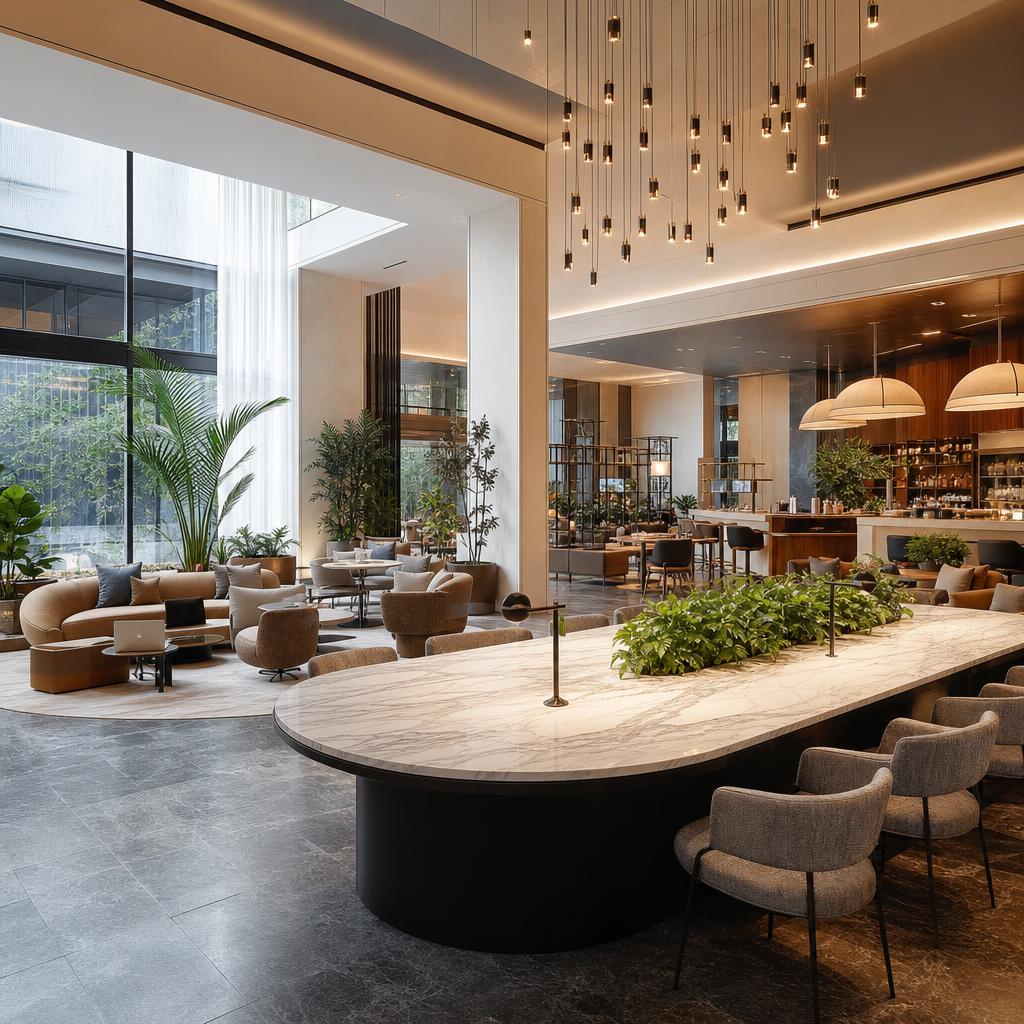
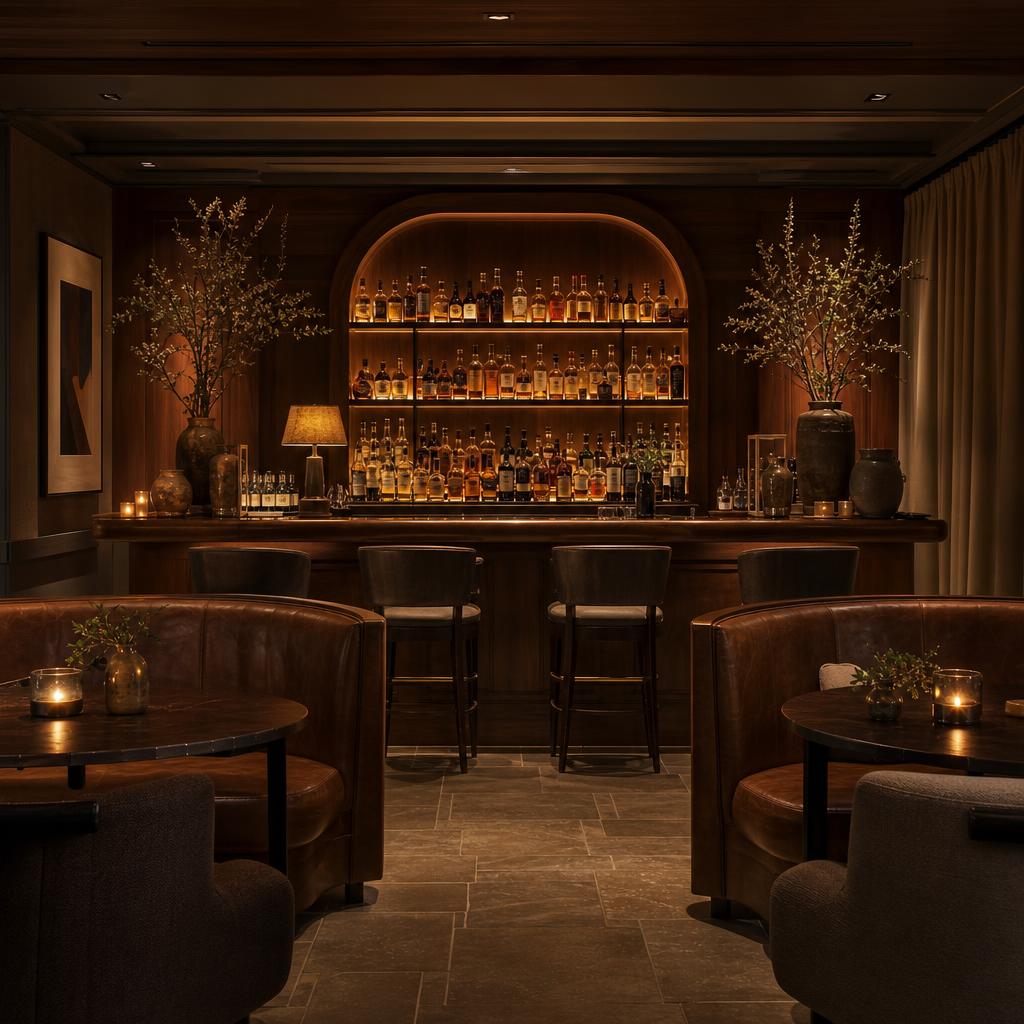
The mastered maximism is the answer to the excess of minimalism: it claims wealth, colour, brightness, but with direction and consistency. It is not anarchic accumulation, it is organized generosity. Bold printed fabrics, carved furniture, assumed gilding, walls covered with wallpapers or silks, worked ceilings, lacquered woodwork.
Visual codes: saturated and contrasting colours, style furniture with curved legs or organic shapes, golden mirrors, spectacular luminaires, art mats, design pieces statement. Target clientele: Hedonic, creative, influencers and customers Middle East or Asia looking for a strong visual experience.
Strengths and risks of maximalism
The major competitive advantage is immediate differentiation and viral potential. A successful maximumist interior generates organic content that the hotel does not pay for. Occupancy rates are highly attractive to young and influential segments. On the other hand, the risk of aging is real: trends are changing, and what seems spectacular today may seem dated in five years.
Conditions of success: an assumed and consistent artistic direction, not a mix of references; a higher maintenance budget to renew the most wearable items; a tariff positioning that compensates the higher CAPEX.
Local craftsmanship: authenticity as DNA
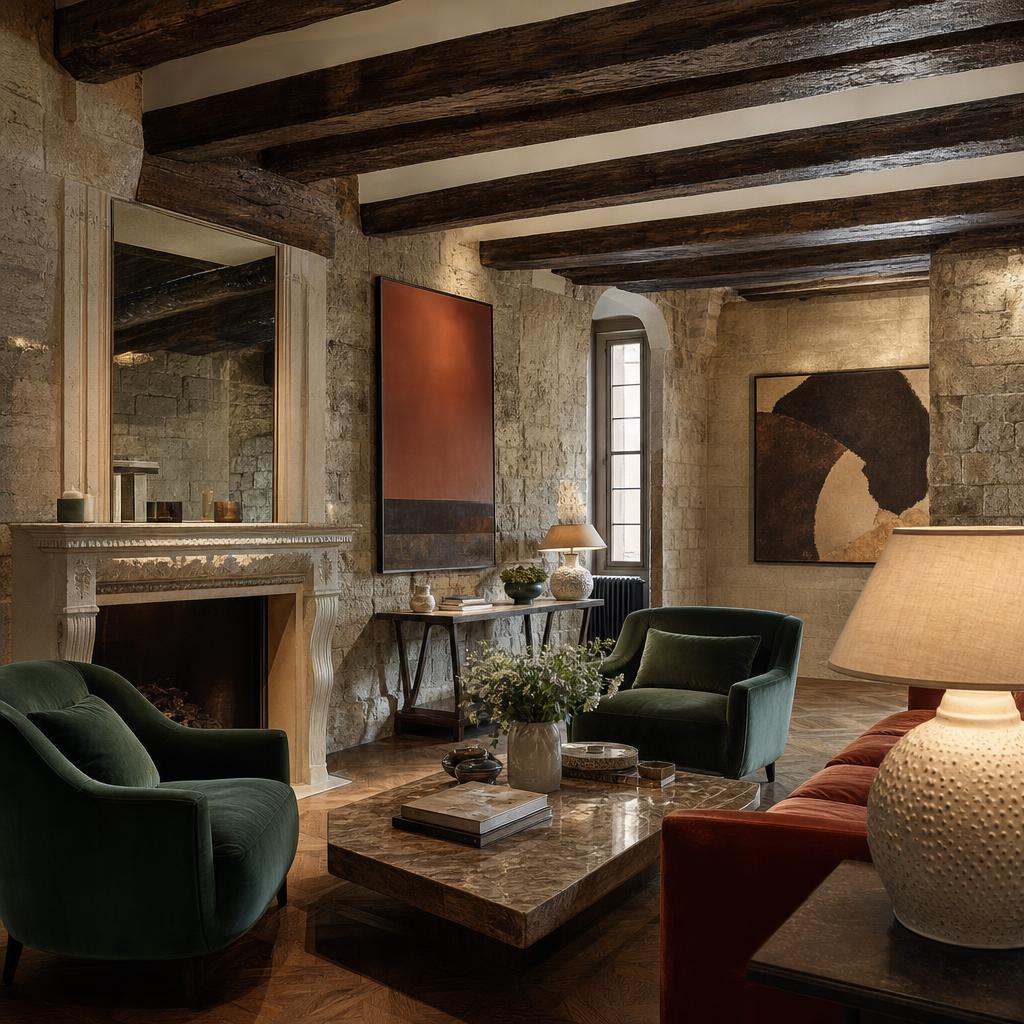
The third direction is that of meaning and territory. Local craftsmanship does not apply as a decor: it is the very identity of the place. Each piece comes from an identifiable creator, each material has a traceable origin. The ceramics of the potter of the neighbouring valley, the fabric of the regional weaver, the furniture of the local cabinetmaker: everything is named, presented, integrated into the hotel's story.
Visual codes: palette extracted from the territory (ocres, forest greens, sea blues), natural and irregular textures, unique furniture or small series, objects of decoration with known history. Target clientele: cultural travellers, lovers of the territory, educated European clientele sensitive to authenticity and responsible approach.
Local craft forces and hazards
This concept offers the richest and most time-resistant narrative, as it is rooted in a geographical and cultural reality. It also creates virtuous partnerships with the local ecosystem, often valued by communities. The risk is operational: finding, selecting and coordinating quality craftsmen takes time and specific skills. Replacement of a damaged part can be long.
Conditions of success: a project manager dedicated to artistic curation; a long-term relationship with artisans; a continuous acquisition budget to gradually enrich the collection.
Choosing direction: the concept as narrative
The decision is not just aesthetic. It stems from the identity of the location, its target clientele, its market and its investment capacity. A castle in Périgord is not naturally suitable for urban maximism. A design hotel in Paris does not become a craft destination by adding some local objects.
What unites the three directions is the need for a coherent narrative. A powerful concept is a story that is told from the entrance to the room, from the restaurant menu to the turndown ritual. Every detail validates the promise or betrays it. The accumulation of decorative objects without logic is never a concept.
Our perspective
None of the three directions is superior to the others. Each can produce exceptional assets, provided that it is chosen with lucidity and executed without compromise. The choice of direction is actually the choice of a story to tell. The one that resists best is the one that is true.